Showing posts with label Epigenetics. Show all posts

Sunday, April 21, 2013

Stem Cell Transplant Restores Memory, Learning in Mice

 For the first time, human embryonic stem cells have been transformed into nerve cells that helped mice regain the ability to learn and remember.
A study at the University of Wisconsin-Madison is the first to show that human stem cells can successfully implant themselves in the brain and then heal neurological deficits, says senior author Su-Chun Zhang, a professor of neuroscience and neurology.  Once inside the mouse brain, the implanted stem cells formed two common, vital types of neurons, which communicate with the chemicals GABA or acetylcholine. "These two neuron types are involved in many kinds of human behavior, emotions, learning, memory, addiction and many other psychiatric issues," says Zhang.

Yan Liu, et al.
Medial ganglionic eminence–like cells derived from human embryonic stem cells correct learning and memory deficits. Nature Biotechnology, 2013; DOI:10.1038/nbt.2565

Monday, April 15, 2013

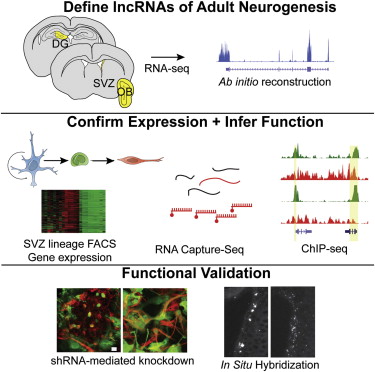
Brain Development Is Guided by Junk DNA That Isn't Really Junk

 Specific DNA once dismissed as junk plays an important role in brain development and might be involved in several devastating neurological diseases, UC San Francisco scientists have found.
Their discovery in mice is likely to further fuel a recent scramble by researchers to identify roles for long-neglected bits of DNA within the genomes of mice and humans alike. While researchers have been busy exploring the roles of proteins encoded by the genes identified in various genome projects, most DNA is not in genes. This so-called junk DNA has largely been pushed aside and neglected in the wake of genomic gene discoveries, the UCSF scientists said. In their own research, the UCSF team studies molecules called long noncoding RNA (lncRNA, often pronounced as "link" RNA), which are made from DNA templates in the same way as RNA from genes.
Science Daily, Apr. 15, 2013

Alexander D. Ramos, et al.
Integration of Genome-wide Approaches Identifies lncRNAs of Adult Neural Stem Cells and Their Progeny In Vivo.
Cell Stem Cell, 2013 DOI:10.1016/j.stem.2013.03.003

Thursday, March 28, 2013

Systematic Analysis of Neural Projections Reveals Clonal Composition of the Drosophila Brain

During development neurons are generated by sequential divisions of neural stem cells, or neuroblasts. In the insect brain progeny of certain stem cells form lineage-specific sets of projections that arborize in distinct brain regions, called clonal units. Though this raises the possibility that the entire neural network in the brain might be organized in a clone-dependent fashion, only a small portion of clones has been identified.

Our study showed that the insect brain is formed by a composition of cell-lineage-dependent modules. Clonal analysis reveals organized architecture even in those neuropils without obvious structural landmarks.

Current Biology, online 28 March 2013
http://dx.doi.org/10.1016/j.cub.2013.03.015


Thursday, March 21, 2013

Forgetting in C. elegans Is Accelerated by Neuronal Communication via the TIR-1/JNK-1 Pathway

The control of memory retention is important for proper responses to constantly changing environments, but the regulatory mechanisms underlying forgetting have not been fully elucidated. Our genetic analyses in C. elegans revealed that mutants of the TIR-1/JNK-1 pathway exhibited prolonged retention of olfactory adaptation and salt chemotaxis learning. In olfactory adaptation, conditioning induces attenuation of odor-evoked Ca2+ responses in olfactory neurons, and this attenuation is prolonged in the TIR-1/JNK-1-pathway mutant animals. We also found that a pair of neurons in which the pathway functions is required for the acceleration of forgetting, but not for sensation or adaptation, in wild-type animals. In addition, the neurosecretion from these cells is important for the acceleration of forgetting. Therefore, we propose that these neurons accelerate forgetting through the TIR-1/JNK-1 pathway by sending signals that directly or indirectly stimulate forgetting.

Akitoshi Inoue, et al
Cell Reports, Volume 3, Issue 3, 808-819, 21 March 2013


Friday, March 15, 2013

Epigenetic mechanisms in the development and maintenance of dopaminergic neurons

Mesodiencephalic dopaminergic (mdDA) neurons are located in the ventral mesodiencephalon and are involved in psychiatric disorders and severely affected in neurodegenerative diseases such as Parkinson’s disease. mdDA neuronal development has received much attention in the last 15 years and many transcription factors involved in mdDA specification have been discovered. More recently however, the impact of epigenetic regulation has come into focus, and it’s emerging that the processes of histone modification and DNA methylation form the basis of genetic switches that operate during mdDA development. Here, we review the epigenetic control of mdDA development, maturation and maintenance. As we highlight, epigenetic mechanisms play a pivotal role in all of these processes and the knowledge gathered from studying epigenetics in these contexts may aid our understanding of mdDA-related pathologies.

Hendrikus J. van Heesbeen, et al
Development140, 1159-1169.   March 15, 2013
doi:10.1242/dev.089359  

Saturday, January 26, 2013

Developmental processes in face perception

Understanding the developmental origins of face recognition has been the goal of many studies of various approaches. Contributions of experience-expectant mechanisms (early component), like perceptual narrowing, and lifetime experience (late component) to face processing remain elusive. By investigating captive chimpanzees of varying age, a rare case of a species with lifelong exposure to non-conspecific faces at distinctive levels of experience, we can disentangle developmental components in face recognition. We found an advantage in discriminating chimpanzee above human faces in young chimpanzees, reflecting a predominant contribution of an early component that drives the perceptual system towards the conspecific morphology, and an advantage for human above chimpanzee faces in old chimpanzees, reflecting a predominant late component that shapes the perceptual system along the critical dimensions of the face exposed to. We simulate the contribution of early and late components using computational modeling and mathematically describe the underlying functions.

Christoph D. Dahl, et al.
Published 09 January 2013

Thursday, January 24, 2013

Scientists Discover How Epigenetic Information Could Be Inherited: Mechanism of Epigenetic Reprogramming Revealed

New research reveals a potential way for how parents' experiences could be passed to their offspring's genes. The research was published January, 25 in the journal Science.
Science Daily, Jan 25, 2013

Mouse primordial germ cells (PGCs) undergo sequential epigenetic changes and genome-wide DNA demethylation to reset the epigenome for totipotency. Here, the authors demonstrate that erasure of CpG methylation (5mC) in PGCs occurs via conversion to 5-hydroxymethylcytosine (5hmC), driven by high levels of TET1 and TET2. Global conversion to 5hmC initiates asynchronously among PGCs at embryonic day (E) 9.5 to E10.5 and accounts for the unique process of imprint erasure. Mechanistically, 5hmC enrichment is followed by its protracted decline thereafter at a rate consistent with replication-coupled dilution. The conversion to 5hmC is an important component of parallel redundant systems that drive comprehensive reprogramming in PGCs. Nonetheless, they identify rare regulatory elements that escape systematic DNA demethylation in PGCs, providing a potential mechanistic basis for transgenerational epigenetic inheritance.

Jamie A. Hackett, et al.Science 25 January 2013:
Vol. 339 no. 6118 pp. 448-452
DOI: 10.1126/science.12292


Sunday, January 20, 2013

One Form of Neuron Turned Into Another in Brain

 A new finding by Harvard stem cell biologists turns one of the basics of neurobiology on its head -- demonstrating that it is possible to turn one type of already differentiated neuron into another within the brain. The discovery by Paola Arlotta and Caroline Rouaux "tells you that maybe the brain is not as immutable as we always thought, because at least during an early window of time one can reprogram the identity of one neuronal class into another," said Arlotta.

Caroline Rouaux, Paola Arlotta.
Direct lineage reprogramming of post-mitotic callosal neurons into corticofugal neurons in vivo. 

Recurrent inhibitory circuitry as a mechanism for grid formation


Grid cells in layer II of the medial entorhinal cortex form a principal component of the mammalian neural representation of space. The firing pattern of a single grid cell has been hypothesized to be generated through attractor dynamics in a network with a specific local connectivity including both excitatory and inhibitory connections. However, experimental evidence supporting the presence of such connectivity among grid cells in layer II is limited. Here we report recordings from more than 600 neuron pairs in rat entorhinal slices, demonstrating that stellate cells, the principal cell type in the layer II grid network, are mainly interconnected via inhibitory interneurons. Using a model attractor network, we demonstrate that stable grid firing can emerge from a simple recurrent inhibitory network. Our findings thus suggest that the observed inhibitory microcircuitry between stellate cells is sufficient to generate grid-cell firing patterns in layer II of the medial entorhinal cortex.

Jonathan J Couey, et al.
Nature Neuroscience (2013) doi:10.1038/nn.3310, Published online 20 January 2013


Friday, January 18, 2013

The Cell That Isn't: New Technique Captures Division of Membrane-Less Cells

A new technique allows scientists to study cell division without a cell membrane. There are several advantages: it can be physically constrained and manipulated; one can access nuclei which is normally buried deep in an opaque embryo; the method ican be combined with a wide-range of fruit fly genetics techniques. The method has revealed that, surprisingly, confined space not enough to restrict spindle size.
Science Daily, Jan 18 2013

Ivo A Telley, Imre Gáspár, Anne Ephrussi, Thomas Surrey.
A single Drosophila embryo extract for the study of mitosis ex vivo. 
Nature Protocols, 2013; 8 (2): 310 DOI:10.1038/nprot.2013.003


RNA interference in the nucleus: roles for small RNAs in transcription, epigenetics and beyond

A growing number of functions are emerging for RNA interference (RNAi) in the nucleus, in addition to well-characterized roles in post-transcriptional gene silencing in the cytoplasm. Epigenetic modifications directed by small RNAs have been shown to cause transcriptional repression in plants, fungi and animals. Additionally, increasing evidence indicates that RNAi regulates transcription through interaction with transcriptional machinery. Nuclear small RNAs include small interfering RNAs (siRNAs) and PIWI-interacting RNAs (piRNAs) and are implicated in nuclear processes such as transposon regulation, heterochromatin formation, developmental gene regulation and genome stability.

Stephane E. Castel
Nature Reviews Genetics 14, 100-112 (February 2013) |doi:10.1038/nrg3355

Thursday, January 10, 2013

Regenerate Sensory Hair Cells, Restore Hearing to Noise-Damaged Ears

Hearing loss is a significant public health problem affecting almost 50 million people in the United States alone. Sensorineural hearing loss is the most common form and is caused by the loss of sensory hair cells in the cochlea. Hair cell loss results from a variety of factors including noise exposure, aging, toxins, infections, and certain antibiotics and anti-cancer drugs. Although hearing aids and cochlear implants can ameliorate the symptoms somewhat, there are no known treatments to restore hearing, because auditory hair cells in mammals, unlike those in birds or fish, do not regenerate once lost. Auditory hair cell replacement holds great promise as a treatment that could restore hearing after loss of hair cells.

In the Jan. 10 issue of Neuron, Massachusetts Eye and Ear and Harvard Medical School researchers demonstrate for the first time that hair cells can be regenerated in an adult mammalian ear by using a drug to stimulate resident cells to become new hair cells, resulting in partial recovery of hearing in mouse ears damaged by noise trauma. This finding holds great potential for future therapeutic application that may someday reverse deafness in humans.

Notch Inhibition Induces Cochlear Hair Cell Regeneration and Recovery of Hearing after Acoustic Trauma
Kunio Mizutari, et al.
Neuron, Volume 77, Issue 1, 58-69, 9 January 2013, 10.1016/j.neuron.2012.11.032


Wednesday, January 9, 2013

Shaping Our Minds: Stem and Progenitor Cell Diversity in the Mammalian Neocortex

The neural circuits of the mammalian neocortex are crucial for perception, complex thought, cognition, and consciousness. This circuitry is assembled from many different neuronal subtypes with divergent properties and functions. Here, we review recent studies that have begun to clarify the mechanisms of cell-type specification in the neocortex, focusing on the lineage relationships between neocortical progenitors and subclasses of excitatory projection neurons. These studies reveal an unanticipated diversity in the progenitor pool that requires a revised view of prevailing models of cell-type specification in the neocortex. We propose a “sequential progenitor-diversification model” that integrates current knowledge to explain how projection neuron diversity is achieved by mechanisms acting on proliferating progenitors and their postmitotic offspring. We discuss the implications of this model for our understanding of brain evolution and pathological states of the neocortex.

Neuron, Volume 77, Issue 1, 19-34, 9 January 2013, 10.1016/j.neuron.2012.12.022


Monday, January 7, 2013

'Junk DNA' Made Visible Before the Final Cut

Research findings from the University of North Carolina School of Medicine are shining a light on an important regulatory role performed by the so-called dark matter, or "junk DNA," within each of our genes. The new study reveals snippets of information contained in dark matter that can alter the way a gene is assembled. "These small sequences of genetic information tell the gene how to splice, either by enhancing the splicing process or inhibiting it. The research opens the door for studying the dark matter of genes. And it helps us further understand how mutations or polymorphisms affect the functions of any gene," said study senior author, Zefeng Wang, PhD, assistant professor of pharmacology in the UNC School of Medicine and a member of UNC Lineberger Comprehensive Cancer Center.Science Daily - Jan. 7, 2013
Yang Wang, et al.
A complex network of factors with overlapping affinities represses splicing through intronic elements.
Nature Structural & Molecular Biology, 2012; 20 (1): 36 DOI: 10.1038/nsmb.2459


Sunday, January 6, 2013

Cortico-cortical projections in mouse visual cortex are functionally target specific

Neurons in primary sensory cortex have diverse response properties, whereas higher cortical areas are specialized. Specific connectivity may be important for areal specialization, particularly in the mouse, where neighboring neurons are functionally diverse. To examine whether higher visual areas receive functionally specific input from primary visual cortex (V1), the author used two-photon calcium imaging to measure responses of axons from V1 arborizing in three areas with distinct spatial and temporal frequency preferences. they found that visual preferences of presynaptic boutons in each area were distinct and matched the average preferences of recipient neurons. This specificity could not be explained by organization within V1 and instead was due to both a greater density and greater response amplitude of functionally matched boutons. Projections from a single layer (layer 5) and from secondary visual cortex were also matched to their target areas. Thus, transmission of specific information to downstream targets may be a general feature of cortico-cortical communication.
Lindsey L Glickfeld, 


In vivo reprogramming of circuit connectivity in postmitotic neocortical neurons

The molecular mechanisms that control how progenitors generate distinct subtypes of neurons, and how undifferentiated neurons acquire their specific identity during corticogenesis, are increasingly understood. However, whether postmitotic neurons can change their identity at late stages of differentiation remains unknown. To study this question, the authors developed an electrochemical in vivo gene delivery method to rapidly manipulate gene expression specifically in postmitotic neurons. Using this approach, they found that the molecular identity, morphology, physiology and functional input-output connectivity of layer 4 mouse spiny neurons could be specifically reprogrammed during the first postnatal week by ectopic expression of the layer 5B output neuron–specific transcription factor Fezf2. These findings reveal a high degree of plasticity in the identity of postmitotic neocortical neurons and provide a proof of principle for postnatal re-engineering of specific neural microcircuits in vivo.
Andres De la Rossa, et al.
Nature Neuroscience (2013) doi:10.1038/nn.3299


Dual origins of the mammalian accessory olfactory bulb revealed by an evolutionarily conserved migratory stream

The accessory olfactory bulb (AOB) is a critical olfactory structure that has been implicated in mediating social behavior. It receives input from the vomeronasal organ and projects to targets in the amygdaloid complex. Its anterior and posterior components (aAOB and pAOB) display molecular, connectional and functional segregation in processing reproductive and defensive and aggressive behaviors, respectively. We observed a dichotomy in the development of the projection neurons of the aAOB and pAOB in mice. We found that they had distinct sites of origin and that different regulatory molecules were required for their specification and migration. aAOB neurons arose locally in the rostral telencephalon, similar to main olfactory bulb neurons. In contrast, pAOB neurons arose caudally, from the neuroepithelium of the diencephalic-telencephalic boundary, from which they migrated rostrally to reach their destination. This unusual origin and migration is conserved in Xenopus, providing an insight into the origin of a key component of this system in evolution.

Dhananjay Huilgol, et al.
Nature Neuroscience (2013) doi:10.1038/nn.3297

Friday, January 4, 2013

New Information on Autism and Genetics

Research out of the George Washington University reveals another piece of the puzzle in a genetic developmental disorder that causes behavioral diseases such as autism.
"It tell us that in very early development, those with 22q11.2 deletion syndrome do not make enough cells in one case, and do not put the other cells in the right place. This occurs not because of some degenerative change, but because the mechanisms that make these cells and put them in the right place during the first step of development have gone awry due to mutation,"said LaMantia.
Science Daily - Jan. 3, 2013
T. M. Maynard, et.al.
A comprehensive analysis of 22q11 gene expression in the developing and adult brain. 
Proceedings of the National Academy of Sciences, 2003; 100 (24): 14433 DOI:10.1073/pnas.2235651100


Thursday, January 3, 2013

Your Brain On Big Bird: Sesame Street Helps to Reveal Patterns of Neural Development

Using brain scans of children and adults watching Sesame Street, cognitive scientists are learning how children's brains change as they develop intellectual abilities like reading and math,
Scientists are just beginning to use brain imaging to understand how humans process thought during real-life experiences. For example, researchers have compared scans of adults watching an entertaining movie to see if neural responses are similar across different individuals. "But this is the first study to use the method as a tool for understanding development," says lead author Jessica Cantlon, an assistant professor in brain and cognitive sciences at the University of Rochester.
Cantlon JF, Li R.
Neural Activity during Natural Viewing of Sesame Street Statistically Predicts Test Scores in Early Childhood. 
PLoS Biol, 2013; 11(1): e1001462 DOI:10.1371/journal.pbio.1001462


Tuesday, January 1, 2013

2012: Signaling Breakthroughs of the Year

With input from the members of the Board of Reviewing Editors and editorial staff, Science Signaling puts the spotlight on the hottest signaling research of 2012. The connection between signaling and metabolism continues to be an important area. Signaling breakthroughs in cancer, immunology, developmental biology, neuroscience, and microbiology all made the list. Structural and molecular insights into signaling proteins and networks are also beginning to not only yield potential therapeutic targets but also lead to successful efforts between synthetic biologists and clinicians in the treatment of cancer.
Sci. Signal., 1 January 2013 Vol. 6, Issue 256, p. eg1 [DOI: 10.1126/scisignal.2003881]